Sim Information System: How It Works and Why It Matters
The Sim Information System is a centralized digital framework used to manage SIM registration data. It helps telecom authorities track SIM ownership and user details. Governments and network operators rely on the Sim Information System to ensure lawful mobile usage.
In many countries, mobile networks must record user identity before issuing a SIM. The Sim Information System makes this process structured, secure, and searchable. It supports national security, fraud prevention, and telecom regulation.
You May Like: sim tracking number
What Is a Sim Information System
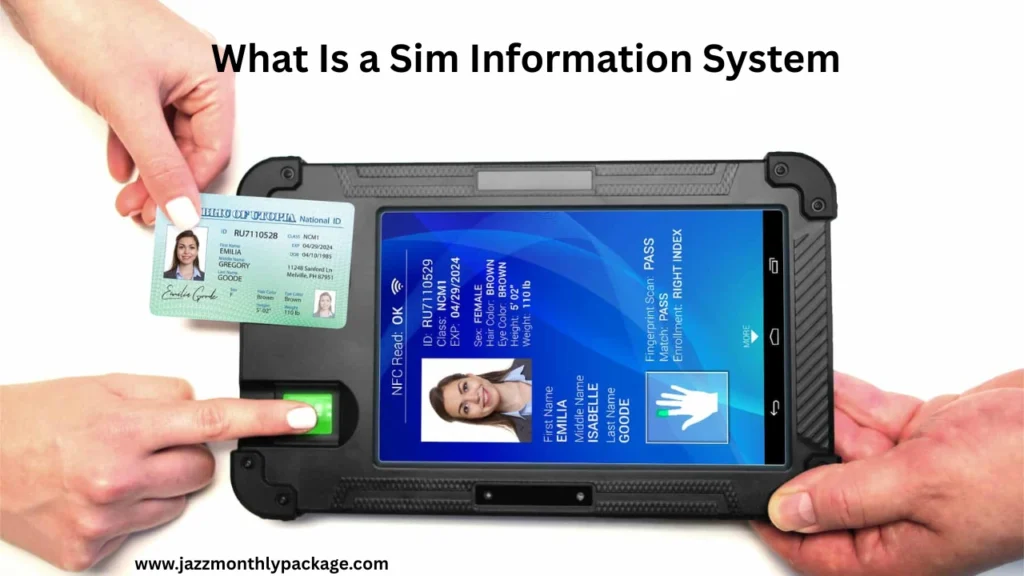
The Sim Information System is a database that stores SIM card records. These records include the SIM number, user identity, and network operator details. The system links every active SIM to a verified individual.
Telecom regulators use this system to monitor SIM issuance. It ensures that no SIM works without proper registration. This process improves transparency across mobile networks.
Why the Sim Information System Is Important
The Sim Information System plays a key role in digital security. It helps authorities identify misuse of mobile services. Criminal activities often involve unregistered or fake SIM cards.
With this system, telecom companies can deactivate illegal SIMs. It also protects users from identity misuse. The system brings trust to the telecom ecosystem.
How the Sim Information System Works
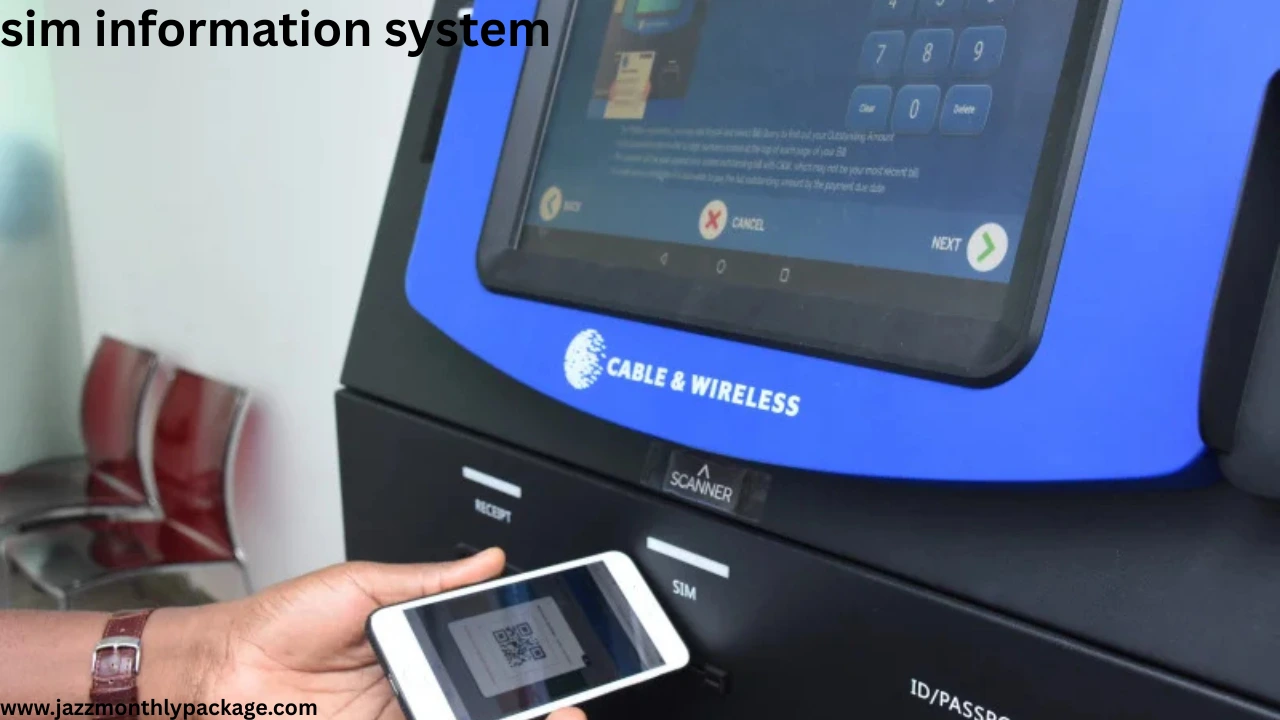
The Sim Information System starts working when a SIM is purchased. The user provides identity details at the time of registration. These details are verified through official records.
Once verified, the SIM data is stored in the central system. Network operators sync their records with the main database. This keeps information updated in real time.
Sim Information System and SIM Registration Process
SIM registration is the backbone of the Sim Information System. Without registration, a SIM cannot be activated. This rule applies to prepaid and postpaid connections.
The system checks user details before approval. If information is incomplete, activation is denied. This ensures only verified users access mobile services.
Types of Data Stored in Sim Information System
The Sim Information System stores basic but critical data. This includes SIM number, network name, and activation date. User identity information is also included.
Some systems store biometric verification status. Others record registration location and device details. All data is protected under telecom privacy laws.
Sim Information System for Telecom Authorities
Telecom authorities rely heavily on the Sim Information System. It helps them audit telecom companies. Authorities can check how many SIMs are issued to one person.
This control prevents bulk SIM misuse. It also helps in policy enforcement. Regulators use the system to improve telecom governance.
Role of Sim Information System in Security
Security agencies use the Sim Information System during investigations. It helps trace SIM ownership linked to suspicious activity. This process saves time and resources.
The system also helps in emergency response. Authorities can identify users during critical situations. This improves public safety and response speed.
Sim Information System and User Privacy
User privacy is a major concern in the Sim Information System. Access to data is restricted and monitored. Only authorized entities can view sensitive information.
Telecom laws protect user data from misuse. Systems use encryption and access logs. This balance ensures security without violating privacy.
Benefits of Sim Information System for Users
The Sim Information System benefits normal users as well. It reduces spam and scam calls. Unregistered SIMs are blocked automatically.
Users also gain ownership protection. No one can issue a SIM under another person’s name. This reduces fraud and identity theft.
Sim Information System and Telecom Operators
Telecom companies integrate their platforms with the Sim Information System. This integration ensures compliance with regulations. Operators can verify users instantly.
The system also helps manage SIM lifecycle. Activation, suspension, and deactivation become easier. This improves service quality and customer trust.
Challenges Faced by Sim Information System
Despite its benefits, the Sim Information System faces challenges. Data accuracy is a major issue. Incorrect user entries can cause service problems.
System downtime can delay SIM activation. Rural areas may face registration issues. Authorities continuously improve systems to solve these problems.
Sim Information System in Developing Countries
In developing regions, the Sim Information System is still evolving. Infrastructure limitations affect system efficiency. Digital identity systems are not always integrated.
However, progress is steady. Governments are investing in better databases. This improves SIM regulation and digital inclusion.
Legal Framework Behind Sim Information System
The Sim Information System operates under telecom laws. These laws define data usage and access rights. Violations can lead to heavy penalties.
Telecom companies must follow strict rules. Users must provide valid information. This legal structure keeps the system reliable and fair.
Sim Information System and Digital Transformation
The Sim Information System supports digital transformation goals. It links mobile access with verified identity. This is important for digital banking and e-services.
Many governments use SIM data to support online platforms. Verified SIMs enable secure digital transactions. This boosts the digital economy.
Future of Sim Information System
The future of the Sim Information System includes automation and AI. Biometric verification will become more common. Real-time monitoring will improve accuracy.
Cross-platform integration is also expected. SIM data may link with other national systems. This will enhance digital governance.
Common Misunderstandings About Sim Information System
Many people think the Sim Information System tracks calls and messages. This is not true. The system only stores registration details.
It does not monitor personal conversations. Its main role is identification and regulation. Understanding this clears privacy concerns.
How Users Can Stay Compliant with Sim Information System
Users should keep their SIM registration updated. Any change in identity details must be reported. This keeps the Sim Information System accurate.
Users should avoid buying unregistered SIMs. They should also check how many SIMs are registered in their name. Compliance avoids future issues.
Sim Information System and Fraud Prevention
Fraud prevention is a key goal of the Sim Information System. Fake registrations are easier to detect. Duplicate identities are flagged automatically.
This system reduces financial scams. It also helps block illegal mobile activities. Overall, it strengthens trust in mobile networks.
Frequently Asked Question
What is the purpose of the Sim Information System
The Sim Information System manages SIM registration data for verified users. It helps prevent illegal and unauthorized SIM usage.
How does the Sim Information System protect users
The Sim Information System blocks fake or unregistered SIMs. It reduces fraud and identity misuse.
Can normal users access the Sim Information System
Normal users cannot directly access the Sim Information System. Only authorized telecom and government bodies can use it.
Is personal data safe in the Sim Information System
Personal data in the Sim Information System is protected under telecom laws. Access is limited to approved authorities.
Why is SIM registration required in the Sim Information System
SIM registration links each number to a real person. The Sim Information System uses this to ensure secure mobile usage.
Final Thoughts on Sim Information System
The Sim Information System is a vital part of modern telecom infrastructure. It ensures secure SIM usage and proper user identification. Governments, operators, and users all benefit from it.
As mobile usage grows, the Sim Information System will become even more important. It supports security, transparency, and digital growth. Understanding the Sim Information System helps users stay informed and compliant.