
How to Prevent Hair Loss in Men: Causes, Myths, and Science-Backed Methods
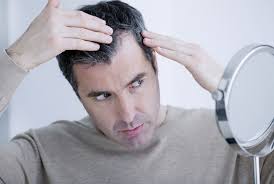
Losing your hair can feel like losing a part of yourself. Whether it begins with a receding hairline, thinning at the crown, or excessive shedding in the shower drain, hair loss is one of the most common and emotionally draining issues men face today. But with so much confusion and misinformation out there, it’s no wonder most guys don’t know where to begin.
If you’ve found yourself searching for how to prevent hair loss, you’re not alone. Millions of men are in the same boat, trying to make sense of what works, what doesn’t, and what’s just hype. This blog explores the real causes of hair loss, debunks the common myths, and breaks down science-backed methods to help you keep your hair.
What Really Causes Hair Loss in Men?
Hair loss isn’t a one-size-fits-all issue. Several factors are at play, some within your control and some beyond it. Understanding the root cause is the first step toward an effective strategy:
Genetic Predisposition: The Role of DNA
Have you heard the phrase “it runs in the family”? That’s especially true when it comes to hair loss. The most common form of male pattern baldness (or androgenetic alopecia) is largely inherited. If your father, grandfather, or uncles had thinning hair or baldness, chances are you may too.
This condition is driven by a hormone called dihydrotestosterone (DHT). Over time, DHT shrinks hair follicles, causing them to produce thinner and shorter hair until they eventually stop producing hair altogether.
Hormonal Changes and Imbalances
Besides genetics, hormonal shifts can wreak havoc on your scalp. For instance, conditions like hypothyroidism or low testosterone levels can trigger hair shedding. Even temporary imbalances caused by stress, poor sleep, or medications may contribute to hair thinning.
Lifestyle Factors You Shouldn’t Ignore
Your habits matter more than you think. Poor diet, smoking, lack of exercise, and excessive alcohol can all impact hair health. Stress, in particular, plays a significant role. When your body is under constant pressure, hair growth takes a backseat to more critical functions.
Medical Conditions and Medications
Certain illnesses, such as autoimmune diseases or scalp infections, may cause patchy or diffuse hair loss. Additionally, medications for blood pressure, depression, and even acne may list hair thinning as a side effect.
Common Myths About Hair Loss
There’s no shortage of myths floating around about why men lose their hair. Let’s clear the air and separate fact from fiction.
Myth 1: Wearing Hats Causes Baldness
No, wearing a hat does not choke out your hair follicles. Hair follicles get their oxygen and nutrients from your blood, not from the air. So, wear your cap with confidence.
Myth 2: Shampooing Too Often Leads to Hair Loss
It’s normal to see hair fall during shampooing, but that doesn’t mean the shampoo is the problem. In fact, regular washing helps remove dirt and oil that could clog follicles. The key is to choose a gentle, sulfate-free formula.
Myth 3: Hair Loss Only Affects Older Men
Hair loss can begin as early as your 20s or even in your late teens. Age increases the likelihood, but it’s not a requirement. In fact, younger men with a genetic predisposition often notice hair thinning before 30.
Myth 4: Massaging Your Scalp Makes Hair Grow
While scalp massages do increase blood flow, there’s no conclusive evidence that they can regrow hair on their own. They might help as part of a broader routine, but they’re not a miracle cure.
How to Prevent Hair Loss: Proven Strategies That Work
Once you understand the cause and filter out the myths, you can focus on real, evidence-based solutions. Here’s how you can actively prevent or slow down hair loss.
Start With Early Detection and Action
Hair loss is easiest to manage when caught early. Notice a thinning crown or widening part? Don’t wait. Address it before the follicles shut down permanently. The earlier you act, the better your chances of maintaining what you have.
Use FDA-Approved Treatments
When it comes to science-backed treatments, two medications have consistently shown results.
- Finasteride: This prescription pill blocks DHT, the hormone responsible for shrinking hair follicles. Studies show that it can stop further hair loss and even stimulate regrowth in some men.
- Minoxidil: This over-the-counter topical treatment increases blood flow to the scalp and revitalizes shrunken follicles. It’s easy to apply and works best for men with recent or mild hair loss.
Pro Tip: Combining both treatments often produces better results than using either one alone.
Support Hair Growth with Proper Nutrition
What you eat affects how your hair grows. A healthy scalp thrives on nutrients.
Here are some key nutrients for stronger, fuller hair:
- Protein: Hair is mostly made of keratin, a protein. Make sure your diet includes lean meats, eggs, beans, and nuts.
- Iron: Low iron can lead to hair shedding. Get it from red meat, spinach, and fortified cereals.
- Zinc: Helps repair damaged hair and keeps oil glands around follicles working properly.
- Biotin & Vitamin D: Linked to healthy hair growth and thickness.
Skipping meals or eating overly processed foods? That might be affecting your hair more than you think.
Reduce Stress Before It Shows Up on Your Scalp
Stress is a sneaky saboteur. It can push hair follicles into a resting phase, leading to sudden shedding months after a stressful event.
How can you manage stress?
- Practice deep breathing or meditation.
- Stick to regular exercise (even a 20-minute walk helps).
- Make time for hobbies or relaxation daily.
Avoid Harsh Hair Practices
Certain styling habits may be exacerbating your hair loss. Avoid these common mistakes:
- Tight hairstyles (like ponytails or braids).
- Daily heat styling (flat irons, blow dryers).
- Chemical treatments (bleaching, relaxing).
- Over-washing with harsh shampoos.
Instead, use gentle shampoos, pat your hair dry, and let it air dry when possible. Treat your hair like a delicate fabric.
Natural Remedies: Do They Work?
Many people turn to natural oils and herbal supplements in the hope of finding a gentler solution. While not all of them are backed by solid science, some show promise.
Options That May Support Hair Health:
- Saw Palmetto: A natural DHT blocker, often used as a supplement.
- Pumpkin Seed Oil: Early studies suggest it may aid in hair density.
- Rosemary Oil: Shown in small studies to promote growth when massaged into the scalp.
- Caffeine-infused shampoos: May stimulate hair follicles and prolong the growth phase.
Keep in mind: These remedies should be used in conjunction with, not as a substitute for, clinically proven treatments.
When Should You See a Doctor?
Wondering if it’s time to consult a medical professional? If your hair loss has become sudden, patchy, or severe, don’t wait it out. Medical conditions like alopecia areata, thyroid problems, or even nutrient deficiencies could be the cause.
Getting professional help ensures you’re targeting the real issue, not just the symptoms.
Creating a Hair-Friendly Routine
It’s not just about what you put on your head; it’s how you live each day. Here’s a simple daily routine to keep your scalp happy:
- Wash with a mild shampoo 3–4 times a week.
- Apply Minoxidil consistently if you’re using it.
- Eat a nutrient-dense breakfast with protein and iron.
- Get at least 7–8 hours of sleep.
- Take time each day to de-stress.
- Avoid smoking or heavy drinking.
Consistency is key. A little effort every day goes a long way.
Conclusion
Hair loss doesn’t have to be a helpless situation. With the right knowledge and tools, you can take proactive steps to preserve your hair and your confidence. From understanding the underlying causes to choosing proven treatments and making smarter lifestyle choices, the path to healthier hair is clear.
Still wondering how to prevent hair loss in the most effective way? The answer lies in taking action early, staying consistent, and ignoring the noise around miracle cures. Your hair journey is personal, but you don’t have to go it alone. So, start now. Because the best time to prevent hair loss is before it becomes visible.