Smart Ways to Manage Mobile Data Usage Throughout the Month
Mobile data has become essential for everything from communication and work to entertainment and daily planning. Yet many users still find their allowance running out before the month ends, often without a clear idea of where it went. Managing your mobile plan well is no longer about cutting usage drastically; it’s about using it intentionally and aligning consumption with real needs.
Modern mobile behavior is fluid rather than linear. People move between messaging, browsing, streaming, and short moments of leisure. Users check social apps, briefly unwind with a mines game casino during short breaks, and read the news. Smart bandwidth management recognizes these patterns and plans around them instead of fighting them. When you understand how and when data is used, controlling it becomes much easier.
Understand Where Your Data Actually Goes
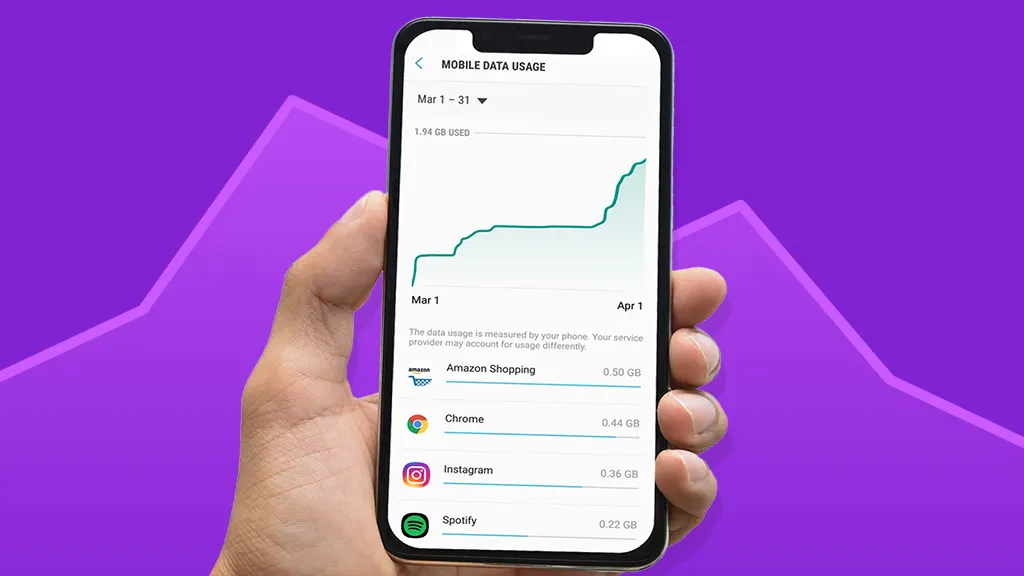
The first step is awareness. Most smartphones provide built-in tools that show exactly how much each app consumes over time. These insights are often surprising and reveal hidden drains.
Common high-usage categories include:
- Video streaming and autoplay content
- Social media apps running in the background
- Cloud backups and automatic updates
- Location services and syncing features
Before changing habits, review usage patterns over a full billing cycle to identify consistent trends rather than one-off spikes.
Typical Monthly Data Consumption by Activity
| Activity Type | Approximate Usage | Notes |
| Messaging apps | Low | Text and voice messages use minimal bandwidth |
| Social media (images) | Medium | Videos significantly increase consumption |
| Video streaming (HD) | High | One of the largest drains |
| Online games (light play) | Low–Medium | Depends on graphics and session length |
| App updates & backups | Medium–High | Often runs unnoticed in the background |
Control Background Activity and Auto-Updates
Once you know which apps are heavy users, the next step is limiting background activity. Many apps continue syncing or refreshing even when you’re not actively using them.
Practical actions include:
- Restricting background traffic for non-essential apps
- Disabling autoplay for videos on social platforms
These changes alone can preserve a significant portion of your monthly allowance without affecting everyday usability.
Use Wi-Fi Strategically, Not Randomly
Wi-Fi isn’t just for large downloads — it’s a planning tool. Whenever possible, schedule bandwidth-intensive activities around reliable Wi-Fi access.
Good candidates for Wi-Fi usage:
- Software and system updates
- Media downloads (music, podcasts, videos)
- Cloud backups and photo syncing
By shifting predictable, heavy tasks to Wi-Fi, mobile data remains available for on-the-go needs.
Adjust Streaming and App Quality Settings
Many apps default to high-quality visuals, which aren’t always necessary on small screens. Lowering resolution slightly can save large amounts of bandwidth with minimal impact on experience.
For example:
- Switching video streaming from HD to SD
- Reducing image preload quality in social apps
- Limiting background video playback
Over a month, these small adjustments add up.
Impact of Quality Adjustments
| Setting Change | Savings Over a Month | User Impact |
| HD → SD video | High | Minimal on small screens |
| Autoplay off | Medium | Less distraction |
| Image preload off | Medium | Slightly slower browsing |
| Background sync limited | High | No visible downside |
Prioritize Apps that Matter Most
Not all apps deserve equal access to your allowance. Decide which apps are essential and which are optional, then allocate usage accordingly.
A simple prioritization strategy:
- High priority: Messaging, navigation, and work tools.
- Medium priority: Social media, browsing, and music.
- Low priority: Background services and rarely used apps.
This mental framework makes it easier to spot wasteful usage and adjust behavior naturally.
Monitor Usage Weekly, not Monthly
Waiting until the end of the month to check consumption is usually too late. Instead, a quick weekly review keeps you on track and prevents surprises.
Weekly monitoring helps you:
- Spot abnormal spikes early
- Adjust habits before limits are reached
- Learn which changes are actually effective
Most devices allow alerts that notify you when usage crosses a certain threshold — use them.
Balance Efficiency with Enjoyment
Effective management doesn’t mean avoiding entertainment altogether. Casual online activities, light gaming, and short breaks are part of healthy mobile use. The goal is balance, knowing what fits comfortably within your allowance and what needs moderation. When bandwidth is used intentionally, you can enjoy both productivity and leisure without constant worry about running out.
Summing Up
Managing mobile data throughout the month is less about restriction and more about awareness, planning, and smart defaults. By understanding usage patterns, controlling background activity, and aligning habits with real needs, you can stretch your allowance further without sacrificing convenience or enjoyment. In the long run, small, consistent adjustments are far more effective than drastic changes, and they make your mobile experience smoother and far less stressful.